
Quick Summary
Pre workout worth it depends on your goal and how your body responds to caffeine. Caffeine does most of the work for sharper focus, while creatine matters more for long-term strength. If the formula hides doses in a proprietary blend, you are paying for effects you cannot verify.
- Caffeine is the most noticeable ingredient, with effects felt within about 30 to 60 minutes.
- Creatine works through daily saturation, so timing before training adds nothing over consistency.
- Calculate cost per serving by dividing the container price by the servings it yields at your scoop size.
- A standard cup of coffee contains roughly 80 to 100 mg of caffeine and costs cents to brew at home.
- Check labels for named milligram doses, third-party testing, and a clear serving size before buying.
Table of Contents
- What Pre-Workout Actually Does
- Pre-Workout Benefits: Where the Evidence Is Strongest
- Pre-Workout Side Effects and Who Should Avoid It
- Pre-Workout vs Coffee: Which Gives More for Less?
- Cost Per Serving: Is the Price Justified?
- Stimulant-Free Options, Tolerance, and Cycling
- Choosing the Healthiest Pre-Workout for Your Goals
- Frequently Asked Questions
What Pre-Workout Actually Does
Pre-workout is a powder or drink taken before training to improve energy, focus, and performance. Most formulas combine caffeine with a handful of ingredients like creatine, beta-alanine, citrulline, and electrolytes.
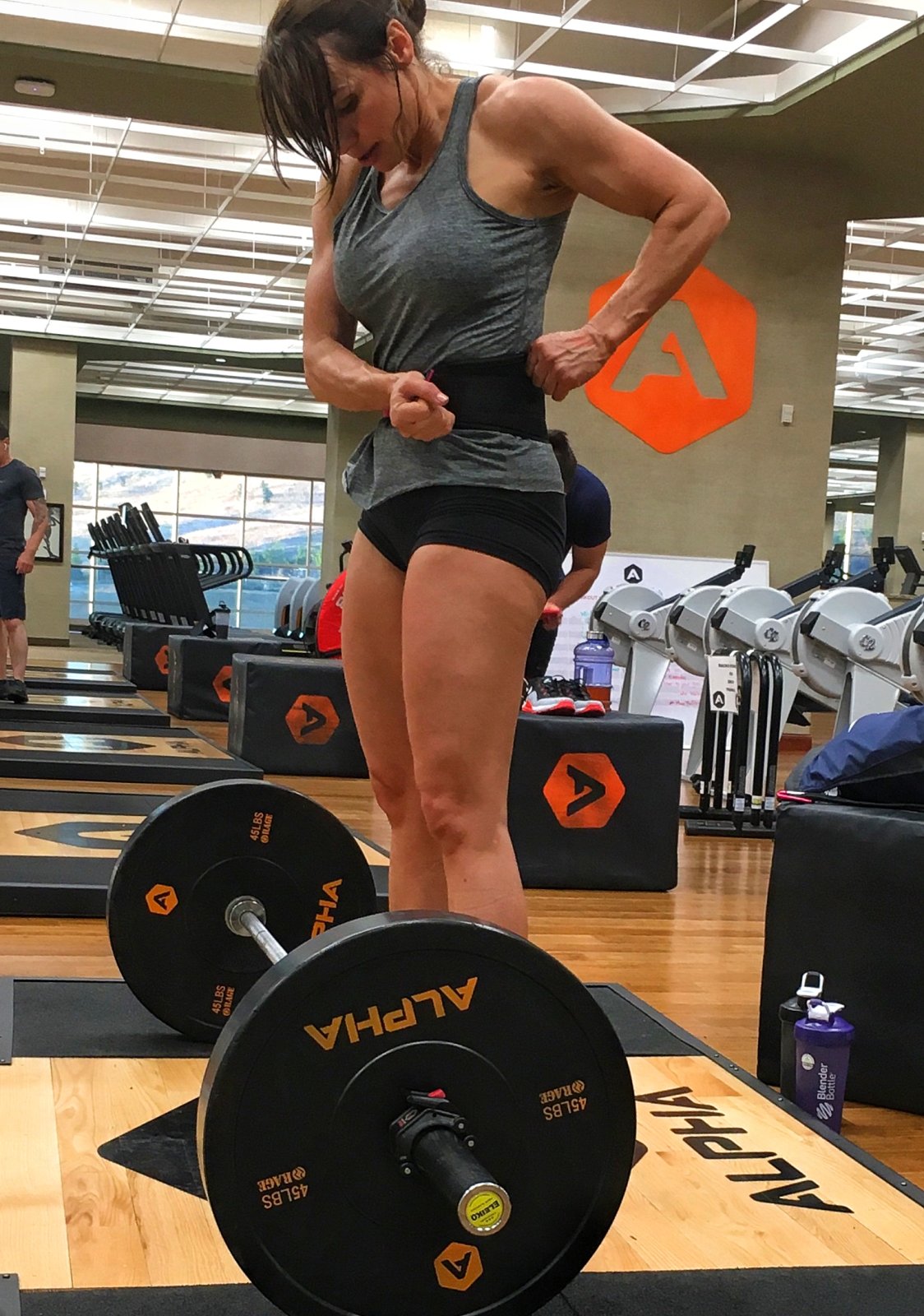
Caffeine does most of the work. It blocks adenosine, the compound that makes you feel tired, so you feel more alert and can push harder for longer. Other ingredients are meant to help with muscle pump, endurance, or sustained focus, but their effects vary by dose and by person.
Our view: pre-workout is a tool, not a requirement. Someone who sleeps well and eats enough carbohydrates before training may not need one at all.
Pre-Workout Benefits: Where the Evidence Is Strongest
The strongest-supported benefits come from a few specific ingredients at specific doses, not from the blend as a whole. Treating "pre-workout" as one uniform product is the biggest mistake buyers make, because two tubs with the same marketing can contain wildly different amounts of the same compounds. Here's the ingredient-by-ingredient breakdown, with the dose ranges that show up in the research and the ones that are mostly filler.
Caffeine, the ingredient that does most of the work
Caffeine blocks adenosine receptors, which dampens the tiredness signal and raises alertness and perceived energy. It's the most reliably felt ingredient in any pre-workout, with acute effects typically noticed within about 30 to 60 minutes. Research commonly studies doses in the range of roughly 3 to 6 mg per kilogram of body weight. A standard cup of coffee lands around 80 to 100 mg. The practical takeaway: if you don't respond to caffeine, the rest of the tub probably won't rescue the session.
Creatine, real, but not a pre-workout effect
Creatine is one of the most-studied ingredients in sports nutrition for supporting strength and power in repeated, high-intensity efforts. The catch is that it works through daily muscle saturation, not through acute timing, so taking it 30 minutes before training adds nothing over taking it with breakfast. Common studied maintenance doses sit around 3 to 5 g per day. If you want creatine, a plain single-ingredient product like Creatine Monohydrate lets you dose it on its own.

Beta-alanine, narrow but genuine
Beta-alanine supports muscle buffering during efforts lasting roughly one to four minutes, think high-rep sets, intervals, or a hard circuit. It does not help a single heavy lift or a long steady-state session much. The well-known side effect is paresthesia, a harmless tingling in the skin, which some people dislike and others ignore. Like creatine, it works through cumulative loading over weeks, so a single pre-training dose is not where the benefit comes from.
Citrulline and the "pump" ingredients, plausible, dose-sensitive
Citrulline (often as citrulline malate) is included for blood flow and muscle pump. The evidence is more mixed and dose-sensitive than caffeine's, and many products underdose it. It's a reasonable "nice to have" if the label discloses a meaningful amount, but it's not the reason to buy a tub.
What's often just filler
Many formulas pad the label with proprietary "energy matrices," large amino acid blends, and vitamins at doses far above what a normal diet provides. These are hard to justify on performance grounds and are frequently the reason a product costs more per serving without doing more. When you read a label, look for named, clinically studied doses rather than a single "proprietary blend" listed in grams, if you can't see the milligrams, you can't judge the value.
Caffeine, Creatine, and Beta-Alanine Compared
Each of the three most common ingredients does something different:
- Caffeine: acute effects on alertness and perceived exertion, felt within about 30 to 60 minutes; dose-sensitive and tolerance-prone.
- Creatine: a slower-acting ingredient that works through daily saturation, so timing matters less than consistency; studied around 3 to 5 g per day.
- Beta-alanine: supports muscle buffering during efforts lasting roughly one to four minutes; causes tingling in some people and loads over weeks.
If your main goal is a sharper session, caffeine is the most noticeable. If your goal is long-term strength, creatine does more than any pre-workout timing trick. If your goal is high-rep endurance, beta-alanine is the one with a specific, if narrow, case.
Nitric Shock Pre-Workout Powder (Tropical Pineapple) →
Pre-Workout Side Effects and Who Should Avoid It
Common side effects of caffeinated pre-workouts include jitters, racing heart, and trouble sleeping. Start with a small amount to find your tolerance.
Pre-workout is not for everyone. Anyone who is pregnant, nursing, under 18, or has a medical condition should talk to a doctor before using it. It is worth reading the full warning block on any label before you buy.
Watch out: stacking pre-workout with an energy drink or a second caffeine source adds up quickly. Count every milligram of caffeine you take in a day.
Pre-Workout vs Coffee: Which Gives More for Less?
A standard cup of brewed coffee contains roughly 80 to 100 milligrams of caffeine, which is a meaningful dose for many people. A typical pre-workout scoop often lands in a similar range, sometimes higher, along with other ingredients.
For most people who only want the caffeine, coffee is cheaper and easier to control. Pre-workout earns its cost when you want a specific blend of ingredients in a measured dose before training. It is harder to justify if you are paying for an ingredient list you could get from food or a plain coffee.
If you want stimulant-free energy, the Energy/Focus Powder uses caffeine and L-theanine, which some people find smoother than coffee alone.

Cost Per Serving: Is the Price Justified?
Price per container tells you almost nothing. The number that decides whether pre workout worth it is cost per serving, and the only honest way to get there is to divide the container price by the number of servings the label actually yields at the scoop size you'll use.
Here's the framework, using the Nitric Shock Pre-Workout Powder as a worked example. It costs $38.90 for a 0.66 lb (300 g) container, and the label directs 1 to 2 scoops per session with a 2-scoop daily ceiling. Because the label doesn't print a single fixed serving count for both scoop sizes, you have to do the division yourself:

- Find grams per scoop on the supplement facts panel.
- Divide total grams (300 g) by grams per scoop to get the number of servings in the tub.
- Divide $38.90 by that serving count to get your true cost per session.
- If you use 2 scoops, halve the serving count and roughly double the per-session cost.
That last step is where most people get burned. A tub that looks like a two-month supply at one scoop becomes a one-month supply at two, and the cost per workout doubles without the price tag changing.
Benchmark it against what you'd otherwise spend
The value question only makes sense next to alternatives:
- Coffee: a standard 8 oz cup of brewed coffee runs roughly 80 to 100 mg of caffeine, and brewing at home costs cents per cup. If caffeine is the only effect you want, coffee is very hard to beat on cost per milligram.
- Creatine monohydrate: a single-ingredient tub is one of the cheapest per-gram performance aids you can buy, and you take a fixed daily dose rather than a pre-training scoop. Buying creatine separately usually costs less than paying a pre-workout premium for it inside a blend.
- A combined approach: coffee for the acute caffeine hit plus a plain creatine tub for long-term strength often lands below the per-serving cost of a multi-ingredient pre-workout, and you control each dose independently.
When the premium is actually justified
A higher cost per serving earns its keep only when the formula delivers something you can't easily assemble yourself: a clinically dosed ingredient you specifically want, in a measured scoop, with a label that discloses amounts. If the tub hides its ingredients in a proprietary blend, you're paying a premium for doses you can't verify, that's the worst value in the category.
Nitric Shock Pre-Workout Powder (Tropical Pineapple) →
Price is only worth it if the formula matches your goal, your tolerance, and a cost per serving you'd willingly pay for the effect you actually feel.
The article breaks down the value of a pre-workout using a worked example and benchmarks it against alternatives.
| Item | Value | Note |
|---|---|---|
| Nitric Shock container price | $38.90 | 0.66 lb (300 g) tub |
| Container size | 300 g | Divide by grams per scoop to get servings |
| Recommended use | 1 to 2 scoops | 2-scoop daily ceiling |
| Standard cup of coffee | 80 to 100 mg caffeine | Brewing at home costs cents per cup |
| Creatine daily dose | 3 to 5 g per day | Single-ingredient tub is cheaper per gram |
Stimulant-Free Options, Tolerance, and Cycling
Stimulant-free products exist for people who want energy without caffeine. The Lemonade Electrolyte Drink Mix is caffeine-free and focused on hydration and B vitamins.
Tolerance can build with regular caffeine use, so some people choose to take breaks from stimulant products. Track how you feel and reduce use if you need more to get the same effect.
Choosing the Healthiest Pre-Workout for Your Goals
Start with your goal. For sharper focus, look for a caffeine-based formula with a clear dose. For strength, creatine matters more than any stimulant. For people who prefer to avoid stimulants, a caffeine-free product may be a better fit.
Check the label for named doses, third-party testing, and a clear serving size. Avoid products that hide ingredients under a proprietary blend.
Nutra Farms - Stone Age Nutritionals offers options across these needs, including the Nitric Shock Pre-Workout Powder and the Creatine Monohydrate. Pick the one that matches your goal, start with a small dose, and see how your body responds.
Frequently Asked Questions
Is pre-workout actually worth taking?
Pre-workout is worth it for people who train hard and want a convenient way to get caffeine plus performance ingredients like creatine and beta-alanine in one serving. Its value depends on your goals, your tolerance for stimulants, and what you pay per serving. Start with one scoop to assess tolerance before taking more, and compare the cost per serving against buying the ingredients separately. If you train lightly or already drink coffee before sessions, the added cost may not justify the difference.
What is the healthiest pre-workout?
The healthiest pre-workout is one with transparent labeling, doses you can identify, a moderate caffeine level, and no unnecessary additives. Look for products that list each ingredient amount rather than hiding them in a proprietary blend. Nitric Shock Pre-Workout Powder lists its ingredients and suggested use clearly. For a stimulant-free option, a caffeine-free product or a plain creatine supplement may suit you better.
Is pre-workout safe with high blood pressure?
Anyone with high blood pressure, heart conditions, or other medical concerns should consult a doctor before using a caffeinated pre-workout. If you have hypertension, heart disease, or take prescription medication, consult a doctor before using any caffeinated product. Caffeine can raise heart rate and blood pressure temporarily, so the safest approach is to get medical clearance first.
Can coffee work as a pre-workout?
Yes, a cup of coffee can provide a similar caffeine boost to many pre-workout products, often at a lower cost per serving. Coffee does not include creatine, beta-alanine, or citrulline, so it will not replicate those effects. If your main goal is alertness and focus, coffee may be enough. If you want the full set of performance ingredients, a pre-workout or separate supplements will be needed.
